A home fire can turn deadly faster than most people imagine. The American Red Cross warns that you may have as little as two minutes to get out safely once the smoke alarm sounds, and the U.S. Fire Administration says it may be less. In that short window, there is no time to figure out a plan. The families who get out are the ones who have already decided how. Here is a practical, step-by-step guide to building and practicing a home fire escape plan for your DeBary household.
Why every household needs a written plan
Fire is still a serious threat in American homes. According to the National Volunteer Fire Council’s 2026 fact sheet, which draws on NFPA data, there were 3,920 civilian fire deaths in the United States in 2024, and 75 percent of them happened in homes. Homes also burn differently than they used to. UL’s Fire Safety Research Institute notes that modern furnishings, open floor plans and newer building materials let fire spread and become toxic faster, which, in its words, “all leads to less time to get out of the home.”
An escape plan turns panic into a routine. When the alarm sounds at 3 a.m., children and adults who have practiced will move toward the exit instead of hiding, searching for belongings or waiting for someone to tell them what to do.
Step 1: Draw a map of your home
NFPA recommends starting with a simple floor plan. Grab a sheet of graph paper (or the back of a pizza box, it does not need to be pretty) and sit down with everyone who lives in the house.
- Draw every room, including bedrooms, bathrooms, the garage and any Florida room or enclosed lanai.
- Mark every door and window.
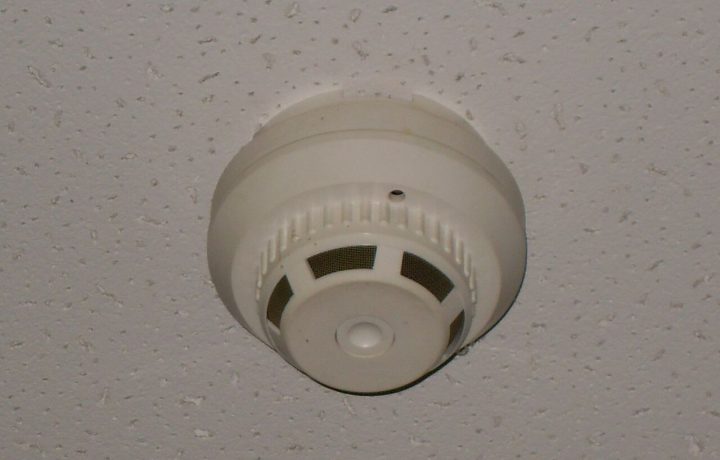
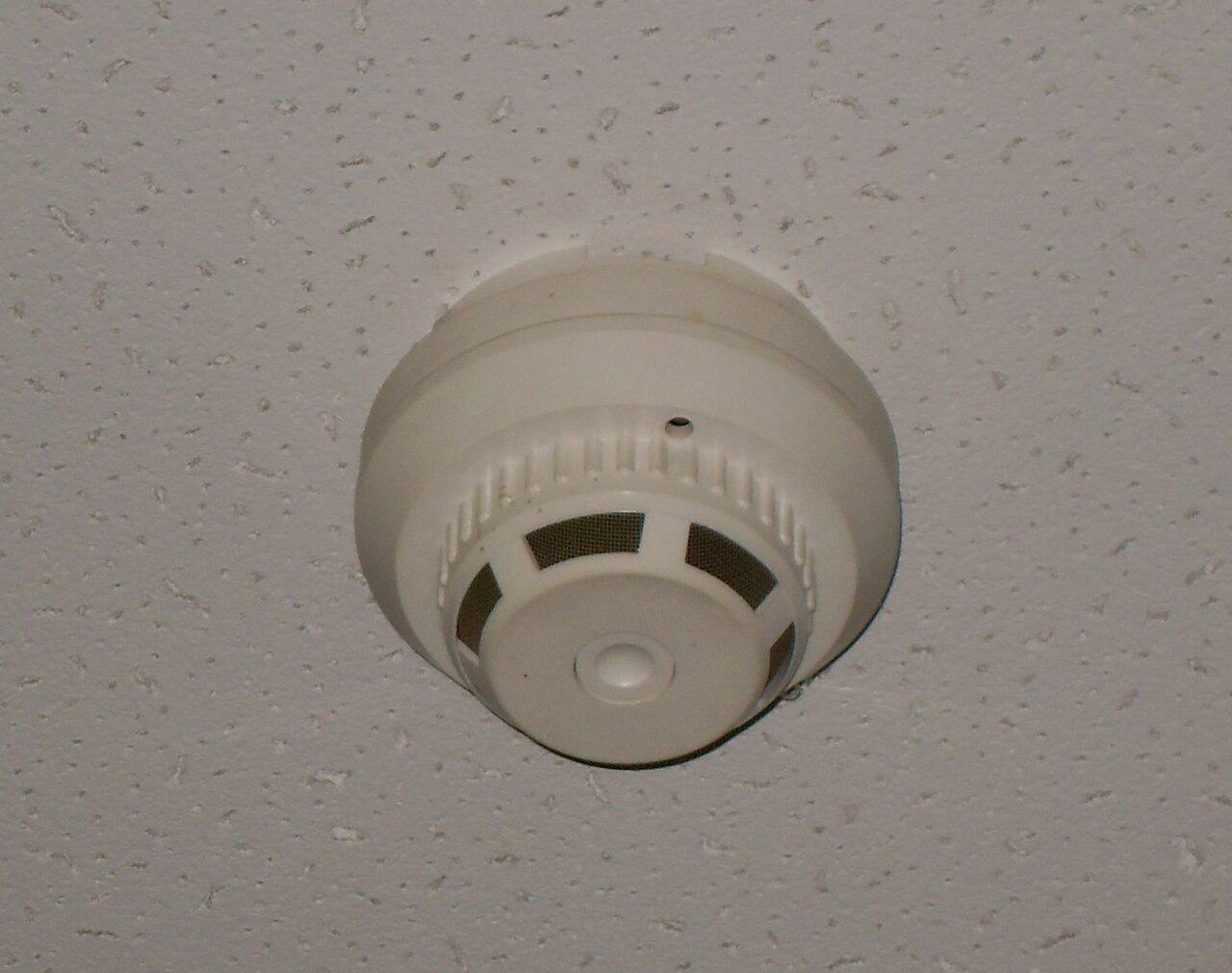
- Mark the location of every smoke alarm. If a bedroom has no alarm, you have found your first project.
- Draw arrows showing two ways out of every room.
- Mark your outside meeting place.
- Post the finished map where everyone, including guests and babysitters, can see it.
Children are often the best mapmakers. Letting them draw the plan helps them remember it.
Step 2: Find two ways out of every room
The main exit from most rooms is the door. The second way out is usually a window. Walk through your home and check each one.
Check every escape window
- Make sure windows open easily and are not painted or nailed shut.
- Know how to remove or push out screens quickly.
- Keep furniture, boxes and clutter away from windows so a child can reach them.
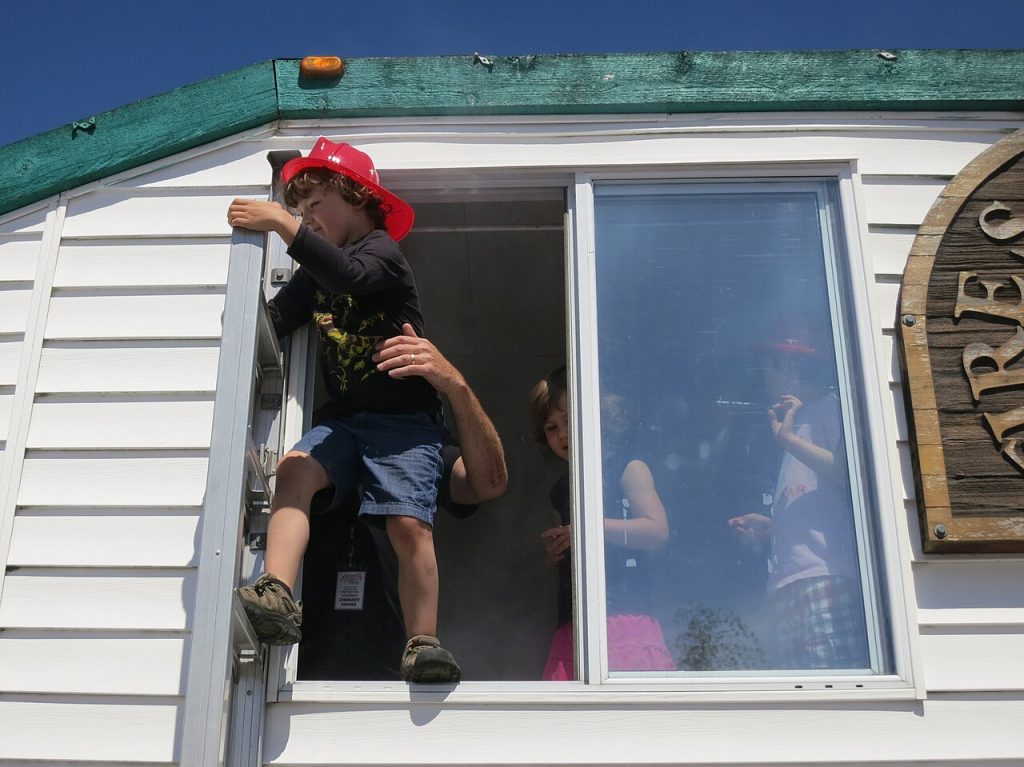
- For a two-story home, consider an escape ladder designed for that purpose. Store it near the window and learn how to set it up, practicing from a ground-floor window first.
Check every door
- Keep hallways and paths to exits clear.
- If you use deadbolts that need a key from the inside, keep a key right next to the door. Better yet, choose locks that open from the inside without a key.
- Sliding glass doors with security bars or broom-handle locks should be easy for every family member to open.
Step 3: Plan around Florida-specific obstacles
Many homes in DeBary and across West Volusia have features that protect against storms and burglars but can slow an escape from fire. Think about these before you need them.
Hurricane shutters and storm panels
When shutters or panels go up for a storm, your escape windows may be blocked for days, and that is exactly when families are running generators, candles and extra extension cords. During hurricane season, try to leave at least one window in each sleeping area operable from the inside, or use shutters that can be opened from inside. If that is not possible, make sure every bedroom still has a clear path to a door, and walk through your plan again each time shutters go up. Our hurricane season fire and carbon monoxide safety guide covers the other fire risks that come with storm season.
Security bars
Windows and doors with security bars must have quick-release devices that open from the inside, so you can get out fast in an emergency. Test them and make sure every family member, including older children, can work the release.
Impact windows
Impact-rated glass is designed not to break, so do not plan to break it in an emergency. If an impact window is a planned exit, make sure it opens fully and that everyone knows how to operate it.
Step 4: Pick an outside meeting place
Choose a spot a safe distance from the house where everyone will gather. The Red Cross suggests something specific and easy to remember, such as a neighbor’s house, the mailbox or a particular tree. Once you are out:
- Go straight to the meeting place. This is how you will know everyone is out.
- Call 911 from outside, using a cell phone or a neighbor’s phone.
- Never go back inside for anyone or anything. If someone is missing, tell the firefighters immediately where that person is likely to be. They have the gear and training to search.
Also make sure the fire department can find you. Large, clearly visible house numbers on the house and mailbox help crews from Station 33 and Station 39 reach your door quickly, especially at night.
Step 5: Close before you doze
One of the simplest steps in fire safety is also one of the most powerful: sleep with bedroom doors closed. UL’s Fire Safety Research Institute tested what a closed door does during a fire. In its experiments, closed-door bedrooms stayed below about 100 degrees Fahrenheit, while open-door rooms reached more than 1,000 degrees. Carbon monoxide levels told a similar story: around 10,000 parts per million in the open-door bedroom compared with about 100 parts per million behind the closed door.
FSRI recommends closing children’s bedroom doors at night as well, and closing as many doors as you can behind you as you escape. Because closed doors can make alarms harder to hear, interconnected smoke alarms, which all sound when one does, are especially important. Read our guide to smoke alarm placement, testing and replacement for details.
Step 6: Plan for everyone in the household
Young children
Teach children what the smoke alarm sounds like and what to do when they hear it. Practice getting low under smoke, feeling a door with the back of the hand before opening it, and going straight to the meeting place. Make sure they know never to hide under a bed or in a closet. Assign an adult to help each infant or toddler, and plan a backup if that adult cannot reach them.
Older adults and people with limited mobility
- If possible, sleep in a bedroom on the ground floor, close to an exit.
- Keep eyeglasses, a phone, a flashlight, hearing aids and any walker or cane next to the bed.
- If someone uses a wheelchair, make sure doorways and paths to exits are wide and clear.
- Ask a family member or neighbor to be part of the plan, and decide in advance who will help whom.
People who are deaf or hard of hearing
Standard alarms may not wake someone with hearing loss. Alarms with strobe lights and bed or pillow shakers are available and should be part of the plan. Make sure everyone knows how that person will be alerted.
Pets
Include pets in your plan, but never put a person at risk to save one. Keep leashes and carriers near an exit, and if a pet is still inside when you get out, tell firefighters right away.
Guests and grandchildren
Visitors do not know your home’s exits. When family or friends stay over, take two minutes to show them the escape map and the meeting place.
Step 7: Practice twice a year, day and night
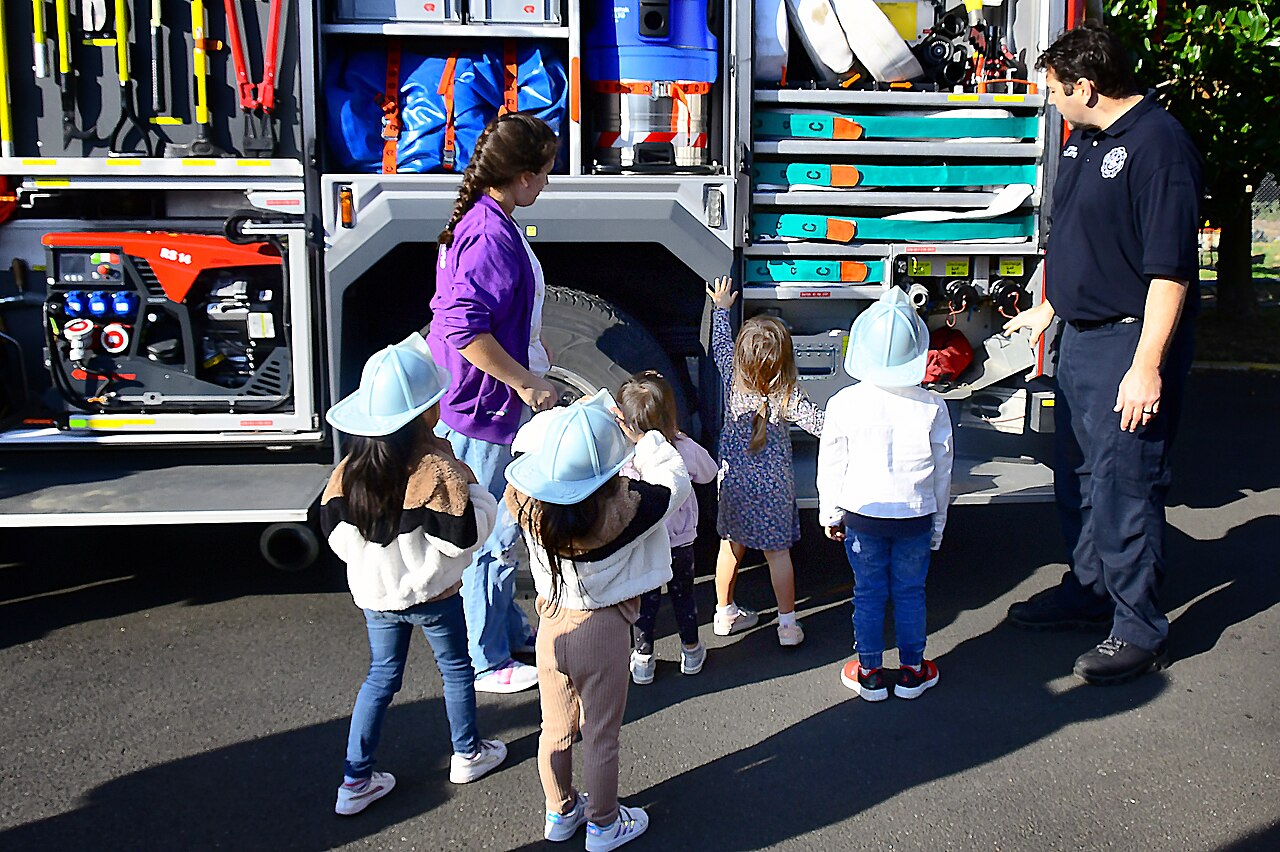
A plan only works if people remember it under stress. Fire safety officials recommend practicing your home fire drill twice a year, with one drill during the day and one at night, and using different exits so everyone learns the second way out.
| Drill checkpoint | What to look for |
|---|---|
| Alarm response | Did everyone wake up and move? Did children respond on their own? |
| Second exits | Could everyone open their escape window, screen and any security bars? |
| Getting low | Did people crawl low under imagined smoke and check doors before opening them? |
| Doors | Did people close doors behind them on the way out? |
| Meeting place | Did everyone go straight there and stay put? |
| Time | How long did it take? Aim to have everyone out in two minutes or less. |
Good times to practice are the start of hurricane season in June, during Fire Prevention Week in October, and whenever you change the time on your clocks.
If you are trapped
If smoke or fire blocks both exits, close the door between you and the fire. Stuff towels or clothing around the door to keep smoke out. Call 911 and tell the dispatcher exactly where you are. Signal from the window with a flashlight or a light-colored cloth. Do not open windows and doors just to clear smoke, since FSRI notes that incoming air can feed the fire, but do open a window to signal or to escape.
Your escape plan checklist
- Floor plan drawn, with two ways out of every room
- Smoke alarms inside each bedroom, outside each sleeping area and on every level
- Smoke alarms tested within the last month
- Windows open easily, screens come off quickly, security bars have quick releases
- A plan for when hurricane shutters are up
- Outside meeting place chosen and known by everyone
- Helpers assigned for children, older adults and anyone with a disability
- House numbers visible from the street, day and night
- Bedroom doors closed at night
- Drills held twice a year, day and night
For a printable, room-by-room review of your home, try our interactive fire safety checklist, and browse more resources on our safety page.
Frequently asked questions
How often should we practice our home fire escape plan?
Practice your home fire drill at least twice a year, once during the day and once at night, and use different exits so everyone knows the second way out.
How much time do you have to escape a home fire?
Fire experts with the American Red Cross and the U.S. Fire Administration warn that you may have as little as two minutes, or even less, to get out safely once the smoke alarm sounds.
Should we sleep with bedroom doors closed?
Yes. UL's Fire Safety Research Institute found that rooms with closed doors stayed below about 100 degrees Fahrenheit during fire tests, while rooms with open doors could exceed 1,000 degrees.
What if my windows have hurricane shutters or security bars?
Security bars on bedroom windows need quick-release devices that open from the inside. With storm shutters, leave at least one escape window in each sleeping area operable whenever possible, and update your plan whenever shutters go up.
Should I go back inside for a pet?
No. Never go back into a burning home. Tell the firefighters right away that a pet is inside and where it is likely to be.
Sources and further reading
- NFPA: Escape Planning
- U.S. Fire Administration: Smoke Alarms and Escape Time
- American Red Cross: Two Minutes May Be All You Have to Escape a Home Fire
- UL Fire Safety Research Institute: Close Before You Doze
- West Virginia State Fire Marshal: Every Second Counts, Plan Two Ways Out
- National Volunteer Fire Council: Volunteer Fire Service Fact Sheet (2026)
Fire safety starts at home and grows stronger with neighbors who help. Learn how you can volunteer with the DeBary Volunteer Fire Support Team and help us support the firefighters who protect our community.