Phones, laptops, cordless tools, vapes, power banks, e-bikes, e-scooters, hoverboards: almost everything we plug in at night now runs on a lithium-ion battery. These batteries are safe when they are well made and treated well, but when one fails it can fail violently, with intense heat, toxic smoke and fire that is hard to put out. That is why the National Fire Protection Association (NFPA) chose “Charge into Fire Safety: Safe Charging Is a Superpower” as the theme for Fire Prevention Week, October 4–10, 2026, the second straight year the campaign has focused on lithium-ion batteries. Here is what DeBary and West Volusia households need to know to buy, charge, store and recycle batteries safely.
Why lithium-ion batteries catch fire
A lithium-ion battery packs a lot of energy into a small space. That is what makes it so useful, and also what makes it dangerous when something goes wrong. If a cell is damaged, overcharged, overheated or poorly manufactured, it can begin to heat itself in a chain reaction often called thermal runaway. One overheating cell can ignite the cells next to it, and a large battery pack, like the one under an e-bike seat or in a scooter deck, contains many cells.
Common causes of battery failures include:
- Cheap, uncertified devices, batteries or chargers
- Using a charger that was not made for the device
- Physical damage: drops, crashes, crushing or punctures
- Exposure to high heat, or charging in very hot or very cold conditions
- Modified, rebuilt or “reworked” battery packs, or packs made with reused cells
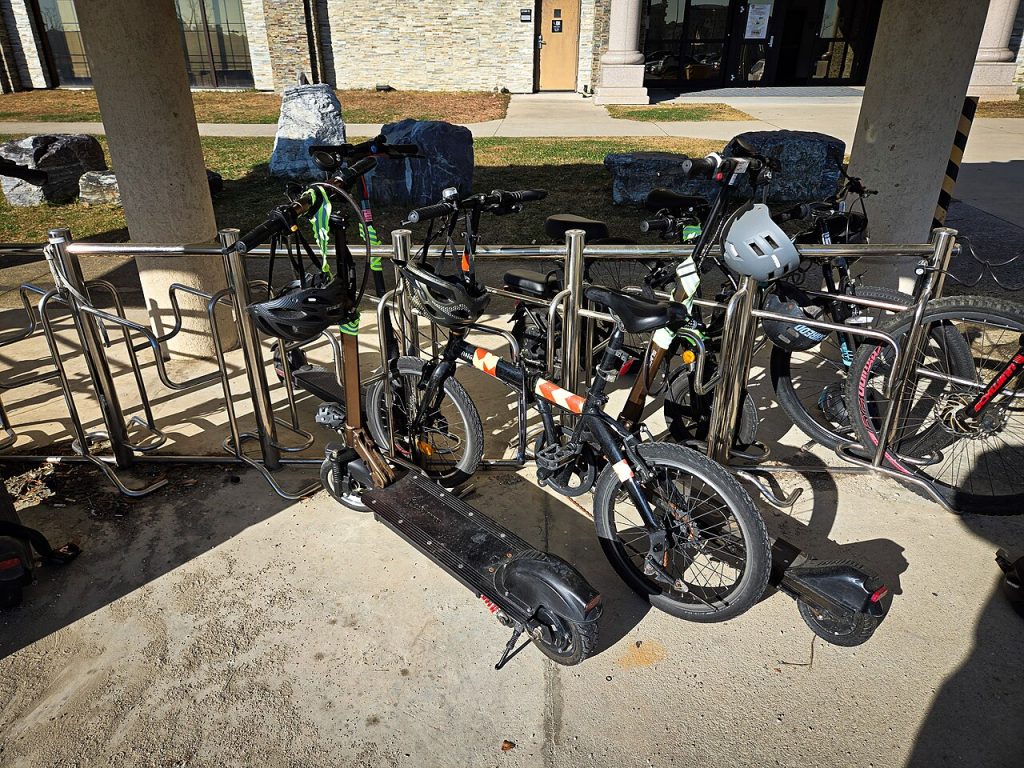
Micromobility devices deserve special attention. In a review of deaths and injuries from 2017 through 2023, the U.S. Consumer Product Safety Commission (CPSC) found that about 40 deaths across e-scooters, e-bikes and hoverboards were associated with lithium-ion battery fires. Fire was also the hazard identified in 311 of the 441 in-depth incident investigations CPSC completed for those products, and it was the most common hazard identified with hoverboards.
Buy smart: look for certified products
NFPA’s first piece of battery advice is to purchase and use devices that are listed by a qualified testing laboratory. A certification mark means the product was tested against a recognized safety standard, not just that it works. CPSC likewise urges consumers to use only micromobility products designed, manufactured and certified for compliance with the applicable consensus safety standards.
For the larger devices that worry firefighters most, these are the standards to look for on the product, its packaging or the seller’s listing:
| Standard | What it covers | Typical products |
|---|---|---|
| UL 2849 | Electrical systems for e-bikes (battery, charger and motor tested together) | Electric bicycles |
| UL 2272 | Electrical systems for personal e-mobility devices | Hoverboards, e-scooters, electric unicycles and skateboards |
| UL 2271 | Batteries for light electric vehicle (LEV) applications | Battery packs for e-bikes, scooters and similar vehicles |
Replacement batteries and chargers
When a battery wears out, replace it with one approved by the device’s manufacturer. CPSC warns against using battery packs that have been modified or reworked by unqualified people, or packs built from reused or repurposed cells. The same goes for chargers: an inexpensive universal charger may fit the plug, but it may not match the battery’s voltage, current or safety circuitry.
Safe charging habits: your everyday superpower
The 2026 campaign centers on everyday charging habits, because that is when many battery fires start. Build these into your routine:
- Use the right charger. Use the charger that came with the device, or one the manufacturer approves.
- Charge on a hard, flat surface. Never charge a device under a pillow, on a bed or on a couch. Soft surfaces trap heat.
- Stay nearby while charging, and do not charge e-bikes, scooters or hoverboards while you sleep or while you are away from home.
- Unplug when full. Follow the manufacturer’s charging instructions and unplug devices once they are fully charged.
- Keep exits clear. Do not charge or park e-bikes and scooters in a hallway, by the front door or anywhere that would block your way out if a fire started.
- Mind the temperature. NFPA advises not charging batteries below 32°F or above 105°F.
- Plug directly into the wall. Avoid running big chargers through extension cords or power strips that are not rated for the load.
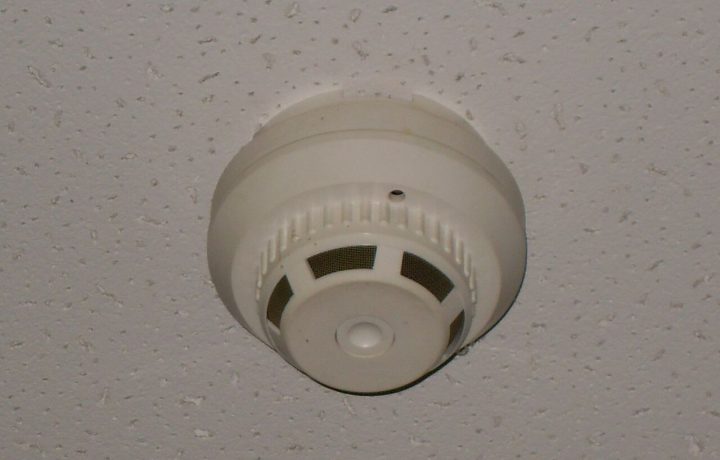
- Have working smoke alarms in the rooms or garage areas where you charge larger devices. See our guide to smoke alarm placement and testing.

Warning signs of a failing battery
Batteries often give you a warning before they fail. NFPA says to stop using a battery or device right away if you notice:
- An unusual odor
- A change in color
- Too much heat
- A change in shape, such as swelling or bulging (a phone screen lifting or a laptop that no longer sits flat can be a sign)
- Leaking
- Odd noises, such as hissing, popping or crackling
- Smoke
If you notice any of these, unplug the device and stop charging it. If it is safe to do so, move it away from anything that can catch fire. If the battery is smoking or burning, do not try to handle it.
Florida heat, cars and garages
Central Florida’s climate adds a few local wrinkles to battery safety.
Hot cars
A closed vehicle sitting in a DeBary parking lot in summer can become far hotter inside than the air outside, and it happens in minutes. That is well beyond the 105°F upper limit NFPA gives for charging. Do not leave phones, power banks, tool batteries, vapes or e-bike batteries baking on a dashboard or seat, and do not charge devices in a hot car. Bring them inside with you when you can.
Garages and lanais
Many residents store e-bikes, scooters and tool batteries in the garage, which is a reasonable choice because it keeps them away from bedrooms and exits. Just remember that an uncooled Florida garage can get very hot in the summer. Keep batteries out of direct sun, away from gasoline, paint and other flammables, and off the top of a running freezer or water heater. Never charge on a pile of cardboard boxes or on a workbench cluttered with rags.
Hurricane season and storm damage
Power banks and battery-powered lanterns and fans are useful during outages, and they are much safer than candles. Charge them before the storm, on a hard surface, while you are awake. Treat any battery that has been crushed, dropped hard or soaked by floodwater as damaged: do not charge it, store it outdoors away from the house if you can do so safely, and contact the manufacturer about next steps. For more storm safety, read our guide to hurricane season generator and carbon monoxide safety.
Storing batteries and devices safely
- Store batteries away from anything that can catch fire, and at room temperature when possible.
- Keep spare batteries in their original packaging or a case so the terminals cannot touch metal objects such as keys or coins.
- Do not keep a growing pile of old phones, laptops and tool batteries in a junk drawer. NFPA advises against collecting discarded batteries; recycle them instead.
- If you are putting an e-bike or scooter away for a while, follow the manufacturer’s instructions for storage charge level.
- Keep small button and coin batteries away from young children, who can swallow them.
Recycling and disposal in Volusia County
Lithium-ion batteries do not belong in your household garbage or your curbside recycling bin. The U.S. Environmental Protection Agency (EPA) warns that batteries damaged during collection or sorting can start fires in garbage trucks and recycling facilities, and even “dead” batteries can hold enough charge to cause a fire.
Prepare batteries before drop-off
- Cover the terminals with non-conductive tape, such as electrical tape.
- Place each battery, or each device with a battery that cannot be removed, in its own clear plastic bag.
- Do not toss loose batteries together in a bucket or box.
- For a damaged, swollen or leaking battery, contact the manufacturer or the drop-off site first for handling instructions.
Where to take them
- Volusia County household hazardous waste facilities. The county lists household rechargeable batteries among the household hazardous wastes it collects. The facility closest to DeBary is the West Volusia Transfer Station, 3151 E. New York Ave., DeLand (386-943-7889). The county also operates a facility at the Tomoka Landfill, 1990 Tomoka Farms Road, Port Orange. Hours can change, so call ahead, especially if you need to drop off a large e-bike or scooter battery.
- The Battery Network (formerly Call2Recycle). This national battery stewardship program changed its name in 2026. Its online locator at batterynetwork.org lets you search by ZIP code for nearby drop-off sites, often at retailers. Some sites accept larger batteries such as e-bike packs, so check the location details before you go.
- Retailer and manufacturer take-back programs. Many electronics and home improvement stores accept small rechargeable batteries, and some e-bike makers and dealers will take back their own packs.
Your safe charging checklist
- My e-bike, scooter or hoverboard carries a UL 2849 or UL 2272 certification mark from a recognized testing lab.
- I use only the manufacturer’s charger and approved replacement batteries.
- I charge on hard surfaces, never on beds or couches, and never while I sleep.
- Large devices charge and park away from doors and escape routes.
- I unplug devices when they are fully charged.
- I do not leave batteries or devices in a hot car.
- Everyone in my home knows the warning signs: heat, swelling, odor, leaking, noises and smoke.
- Old batteries are taped, bagged and recycled, never thrown in the trash or recycling bin.
Pair this list with our whole-home fire safety checklist during Fire Prevention Week and keep it on the refrigerator all year.
Frequently asked questions
What is the Fire Prevention Week 2026 theme?
NFPA's theme for Fire Prevention Week, October 4-10, 2026, is "Charge into Fire Safety: Safe Charging Is a Superpower." It is the second straight year the campaign has focused on lithium-ion battery safety.
Is it safe to charge my e-bike or phone overnight?
It is best not to. The CPSC advises staying nearby while micromobility devices charge and never charging them while you sleep, and NFPA recommends unplugging devices once they are fully charged.
What safety certifications should an e-bike or scooter have?
Look for a mark from a nationally recognized testing laboratory. UL 2849 covers e-bike electrical systems, UL 2272 covers personal e-mobility devices such as hoverboards and e-scooters, and UL 2271 covers batteries for light electric vehicles.
Can I throw lithium-ion batteries in the trash or recycling bin?
No. The EPA says lithium-ion batteries should not go in household garbage or curbside recycling because they can start fires in trucks and facilities. Tape the terminals, bag each battery, and take it to a battery drop-off site or a Volusia County household hazardous waste facility.
What should I do if a battery starts smoking or swelling?
Stop using or charging it. If it is safe to do so, move it away from anything that can burn. If there is smoke or fire, get everyone out, close the door behind you and call 911.
Sources and further reading
- FireRescue1: NFPA announces Fire Prevention Week 2026 theme
- NFPA: Lithium-ion battery safety tip sheet (via South Carolina State Fire)
- CPSC: E-scooter and e-bike injuries soar (safety tips)
- CPSC: Micromobility products-related deaths, injuries and hazard patterns, 2017–2023
- UL Standards & Engagement: Standards that support e-mobility device safety
- EPA: Used lithium-ion batteries
- Volusia County: Disposing of household hazardous waste
- The Battery Network (formerly Call2Recycle): Drop-off locator
Fire Prevention Week is one week, but fire safety education is a year-round job. Volunteer with the DeBary Volunteer Fire Support Team to help share these messages at community events and support DeBary’s firefighters on scene.