Smoke alarms are the cheapest, simplest life-saving device most of us will ever own. According to NFPA, almost three in five home fire deaths happen in homes with no smoke alarms or no working alarms, and the risk of dying in a home fire is about 54 percent lower in homes with working alarms. But an alarm only protects you if it is the right type, in the right place, and actually working. This guide covers everything a DeBary household needs to know.
Why smoke alarms matter so much
Many fatal home fires start at night, when people are asleep, and you cannot count on the smell of smoke to wake you in time. The U.S. Fire Administration warns that once an alarm sounds, you may have less than two minutes to get everyone outside. A working alarm buys those minutes. A missing or dead alarm takes them away.
The good news is that fixing this problem is usually inexpensive and takes an afternoon. Start with a walk-through of your home and our interactive fire safety checklist, which includes a smoke alarm replacement-date calculator.
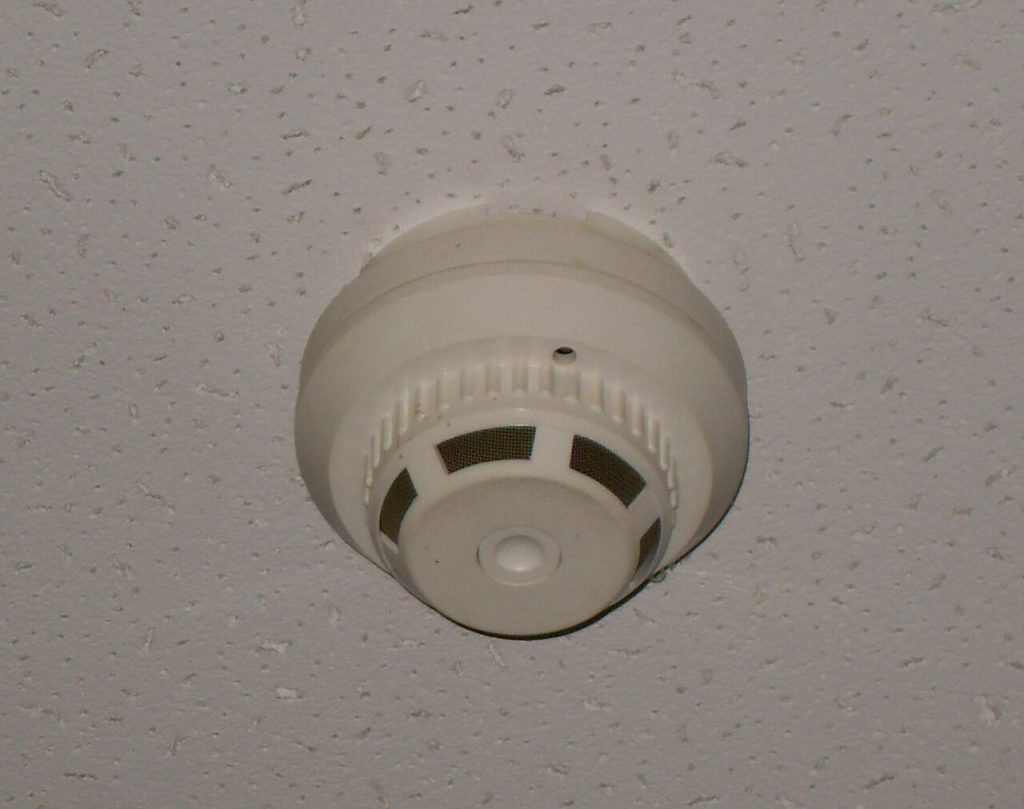
Know the types: ionization, photoelectric and dual-sensor
The U.S. Fire Administration explains that smoke alarms fall into two basic sensor types, and each is better at detecting a different kind of fire.
| Type | Best at detecting | Typical example |
|---|---|---|
| Ionization | Fast, flaming fires | Paper, grease or fabric that bursts into flame |
| Photoelectric | Slow, smoldering, smoky fires | A dropped cigarette smoldering in a sofa cushion |
| Dual-sensor | Both kinds of fire | Combines ionization and photoelectric sensors in one unit |
Because you cannot predict which kind of fire you might have, USFA recommends having both ionization and photoelectric alarms, or using dual-sensor alarms that contain both. Look on the package for the type, and look for the mark of an independent testing laboratory.
Power options
- Sealed 10-year battery alarms never need a battery change. You replace the whole alarm at the end of its life.
- Replaceable-battery alarms need new batteries at least once a year, or as soon as they chirp.
- Hardwired alarms with battery backup run on household power and keep working during an outage. USFA notes that only qualified electricians should install hardwired alarms. Battery backup is especially important in Florida, where storms can knock out power for days.
Where to put smoke alarms
NFPA and USFA placement guidance comes down to a few simple rules:
- Inside every bedroom
- Outside each sleeping area, such as the hallway outside the bedrooms
- On every level of the home, including a basement or finished attic if you have one
- On the ceiling or high on a wall, because smoke rises
- About 10 feet or more from the stove or cooktop to reduce nuisance alarms
Many single-story Florida homes have bedrooms on opposite ends of the house, a common split floor plan. That means you need alarms in each bedroom and outside each separate sleeping area, not just one in a central hallway.
Placement pitfalls in Florida homes
Air movement can push smoke away from an alarm. Follow the manufacturer’s instructions on how far to keep alarms from air-conditioning supply vents, ceiling fans, windows and doors, and check the instructions for vaulted or peaked ceilings. Most manufacturers also advise against installing ordinary smoke alarms in places like garages, attics or bathrooms, where heat, dust, humidity or steam can cause false alarms or damage the sensor. If you are unsure, the instruction sheet that came with the alarm is the best guide for your specific model.
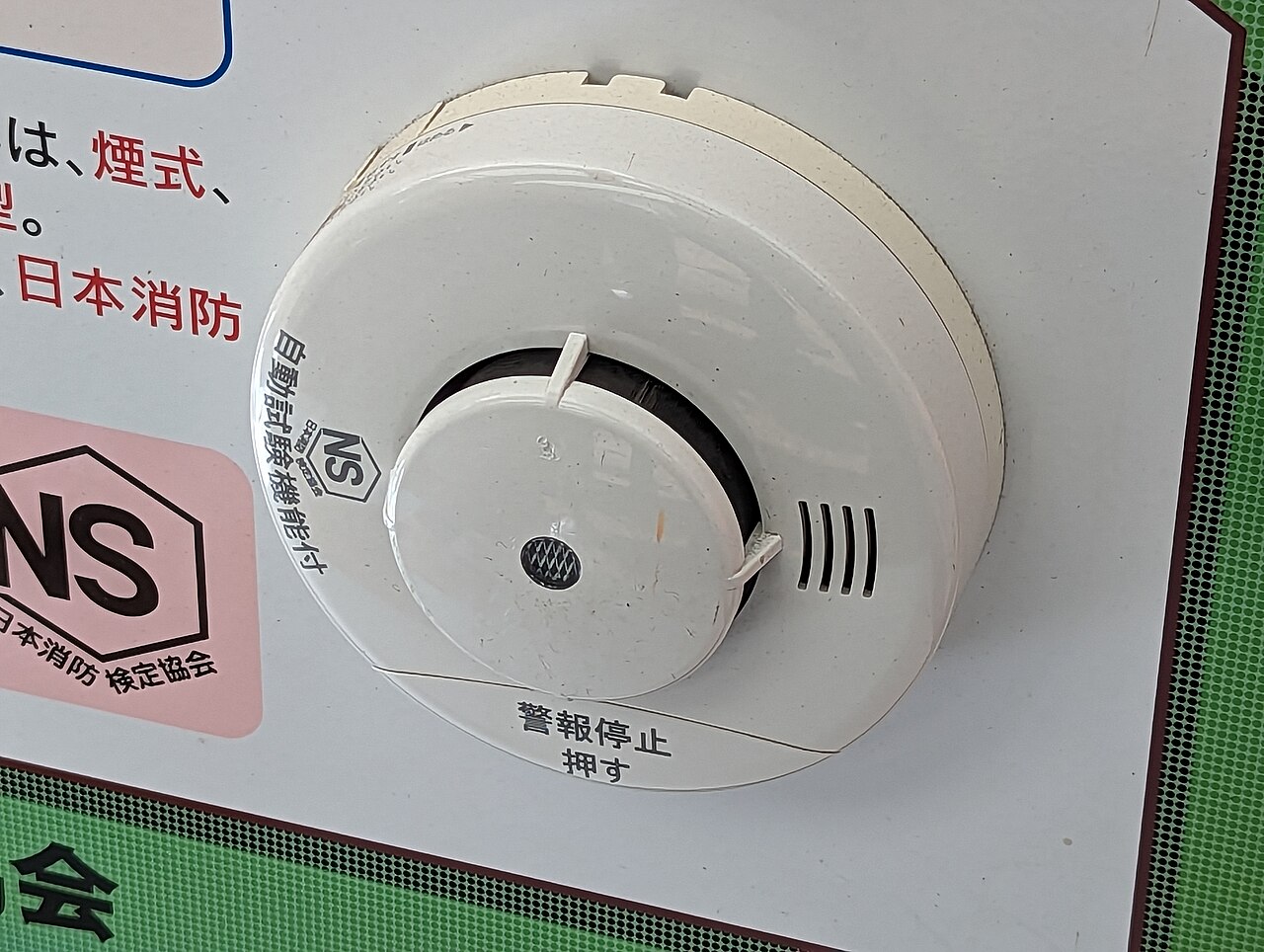
Interconnect your alarms
When alarms are interconnected, a fire detected in one part of the house sets off every alarm in the home. That matters if a fire starts in the living room while everyone is asleep behind closed bedroom doors. Closing bedroom doors at night is one of the best things you can do in a fire, as our home fire escape plan guide explains, but closed doors also make a distant alarm harder to hear.
USFA recommends choosing interconnected alarms so that when one sounds, they all sound. Older homes do not need to be rewired to get this protection. Many manufacturers sell wireless alarms that link to each other by radio signal. Make sure alarms from different brands are compatible before you mix them.
Test monthly and maintain them
Testing takes a few seconds per alarm.
- Press and hold the test button until the alarm sounds.
- Have someone stand in each bedroom with the door closed to confirm the alarm is loud enough to wake a sleeper.
- If an alarm does not sound, replace the battery and test again. If it still does not sound, replace the alarm.
- Gently clean the outside of the alarm with a vacuum brush attachment as the manufacturer recommends, since dust and cobwebs can affect the sensor.
Replace alarms every 10 years
Smoke alarms do not last forever. Their sensors become less reliable with age. NFPA and USFA both recommend replacing smoke alarms 10 years after the date of manufacture, which is printed on the back of the alarm. Note that it is 10 years from when the alarm was made, not from when you bought it or installed it.
Many people are surprised to find alarms from the 1990s or early 2000s still hanging on their ceilings. If you cannot find a date at all, the alarm is likely old enough that it should be replaced.
Stop nuisance alarms without disabling protection
An alarm that goes off every time someone sears a steak or takes a hot shower is annoying, and frustrated residents sometimes pull the battery out. That is dangerous. USFA is blunt about it: never take the battery out of your smoke alarm while cooking. Instead:
- Move the alarm. USFA recommends moving the entire alarm several feet farther from the kitchen or bathroom if it keeps sounding from cooking or steam.
- Use the hush button. Many alarms have a button that silences them for a few minutes while smoke clears.
- Ventilate. Turn on the range hood fan and open a window while cooking.
- Consider alarm type. Ask about alarms designed to reduce cooking nuisance alarms for areas near the kitchen, and follow the manufacturer’s placement guidance.
- Replace old alarms. An aging alarm that sounds for no reason may simply be at the end of its life.
Cooking is the leading cause of home fires and home fire injuries, according to NFPA, so a working alarm near the kitchen is a must. Our article on kitchen and cooking fire safety has more tips.
Options for people who are deaf or hard of hearing
A standard alarm may not wake someone with hearing loss, especially at night when hearing aids or cochlear implant processors are removed. USFA notes that there are alarms made for people with hearing loss that use strobe lights and vibration to alert them. Options include:
- Strobe light alarms that flash a bright light along with the sound.
- Bed shakers placed under the pillow or mattress that vibrate when an alarm sounds.
- Low-frequency sound alarms, which produce a deeper tone that can be easier to hear for people with high-frequency hearing loss.
These devices often work with existing smoke alarms through a receiver that listens for the alarm’s sound. Talk with the person who will be using it about which combination works best for them, and include their alert method in your family’s escape plan.
Don’t forget carbon monoxide alarms
Smoke alarms do not detect carbon monoxide (CO), the invisible, odorless gas produced by burning fuel. CDC reports that every year, more than 400 Americans die from unintentional CO poisoning not linked to fires, more than 100,000 visit an emergency department, and more than 14,000 are hospitalized.
In Central Florida, CO risks include gas water heaters, stoves and dryers, cars left running in attached garages, and especially portable generators run too close to the home after a storm. CPSC recommends CO alarms on every level of the home and outside sleeping areas. CDC advises using battery-operated or battery-backup CO detectors and replacing them according to the manufacturer’s instructions, or about every five years.
- Install CO alarms outside each sleeping area and on every level.
- Consider combination smoke and CO alarms, which can simplify installation.
- Test CO alarms monthly, just like smoke alarms.
- Check the replacement date. CO alarms usually have a shorter life than smoke alarms.
- If a CO alarm sounds, get everyone outside to fresh air immediately and call 911.
Read our hurricane season generator and CO safety guide before storm season.
Quick smoke alarm checklist
- Alarm inside every bedroom, outside each sleeping area and on every level
- Both ionization and photoelectric protection, or dual-sensor alarms
- Alarms interconnected so one sounds them all
- Every alarm tested this month
- No alarm older than 10 years from its manufacture date
- Alerting devices in place for anyone who is deaf or hard of hearing
- CO alarms on every level and outside sleeping areas
Frequently asked questions
How often should I replace my smoke alarms?
Replace smoke alarms 10 years after the date of manufacture printed on the back of the alarm, even if they still seem to work. Our fire safety checklist includes a calculator that shows your replacement date.
Which is better, ionization or photoelectric?
Each type responds faster to a different kind of fire: ionization to fast, flaming fires and photoelectric to slow, smoldering fires. The U.S. Fire Administration recommends having both types or using dual-sensor alarms.
Where should smoke alarms go?
Install smoke alarms inside each bedroom, outside each sleeping area and on every level of the home, on the ceiling or high on a wall. Keep them about 10 feet from cooking appliances to reduce nuisance alarms.
How often should I test smoke alarms?
Test every smoke alarm once a month using the test button. If your alarms use replaceable batteries, replace them at least once a year or as soon as the alarm chirps.
Do I need a carbon monoxide alarm in Florida?
If your home has any fuel-burning appliance, an attached garage, or you ever run a generator, yes. CPSC recommends CO alarms on every level of the home and outside sleeping areas.
Sources and further reading
- NFPA: Smoke Alarms
- U.S. Fire Administration: Smoke Alarms
- NFPA: Cooking Fire Safety
- CDC: Carbon Monoxide Poisoning Basics
- CPSC: Portable Generators and Carbon Monoxide Deaths
- Indiana Department of Homeland Security: Smoke Alarm Safety Tips
Want to help neighbors stay safe? The DeBary Volunteer Fire Support Team is always looking for people who care about their community. Find out how to volunteer.