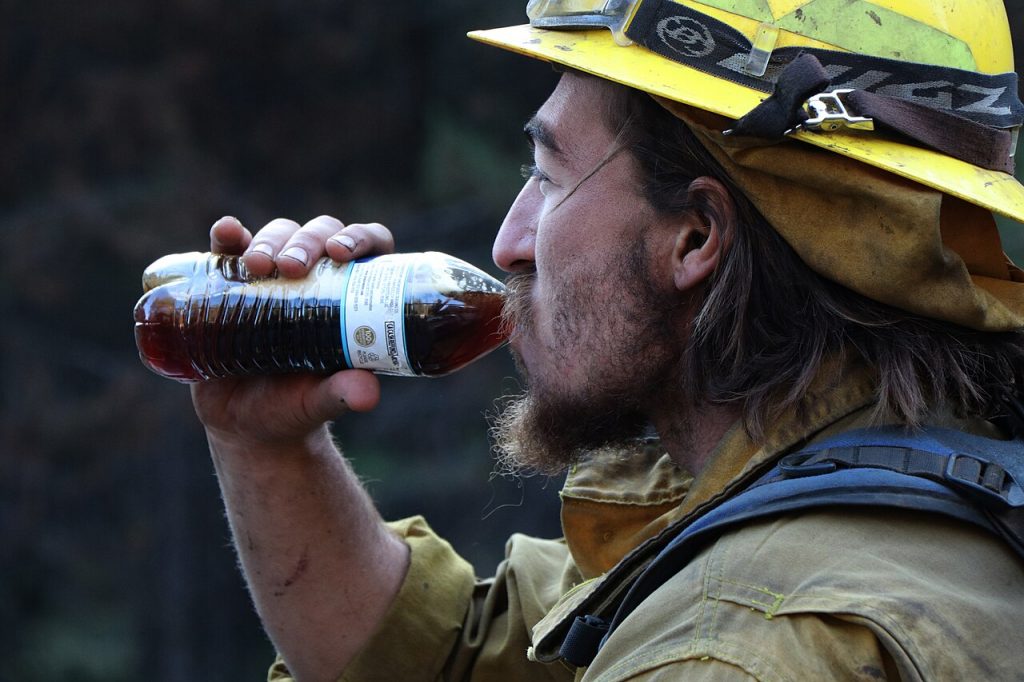
When a fire, a long search or a multi-day brush fire stretches on for hours, the biggest threat to firefighters is often not the flames in front of them. It is the heat building up inside their own bodies. Firefighter rehab, the organized break for rest, fluids, food, cooling and a medical check, is how fire crews stay safe enough to keep working. In DeBary, rehab is also where your neighbors in the DeBary Volunteer Fire Support Team come in.
What “rehab” means on the fireground
In the fire service, “rehab” is short for rehabilitation. It is not a treatment program and it is not a reward for a job well done. It is a planned part of every significant incident. FEMA’s Community Emergency Response Team (CERT) training describes rehab as “the process of providing rest, rehydration, nourishment, and medical evaluation” to responders involved in extended or extreme operations. The goal is simple: catch fatigue, dehydration and heat stress before they turn into a mistake, an injury, or a medical emergency.
The national consensus standard that fire departments use to build their rehab procedures is NFPA 1584, the Standard on the Rehabilitation Process for Members During Emergency Operations and Training Exercises. NFPA’s own fact sheet stresses that rehab “should be an integral part of both incident scene management and an occupational safety and health program.” In other words, it is planned in advance, not improvised when someone collapses.
When firefighters go to rehab
Rehab guidance ties rest breaks to how hard and how long firefighters have been working. Summarizing NFPA 1584, FEMA’s CERT rehab materials describe two levels:
- Self-rehab: at least 10 minutes of rest with hydration after using one 30-minute air cylinder (SCBA), or after 20 minutes of intense work without one.
- Formal rehab: a medical evaluation, fluids and at least 20 minutes of rest after two 30-minute cylinders, one 45- or 60-minute cylinder, work in encapsulating chemical protective clothing, or 40 minutes of intense work without SCBA.
Company officers are also expected to keep an eye on their crews throughout an incident. NFPA’s fact sheet calls for officers to assess crews at least every 45 minutes, and more often in extreme conditions.
Why heat is the hidden danger, especially in Central Florida
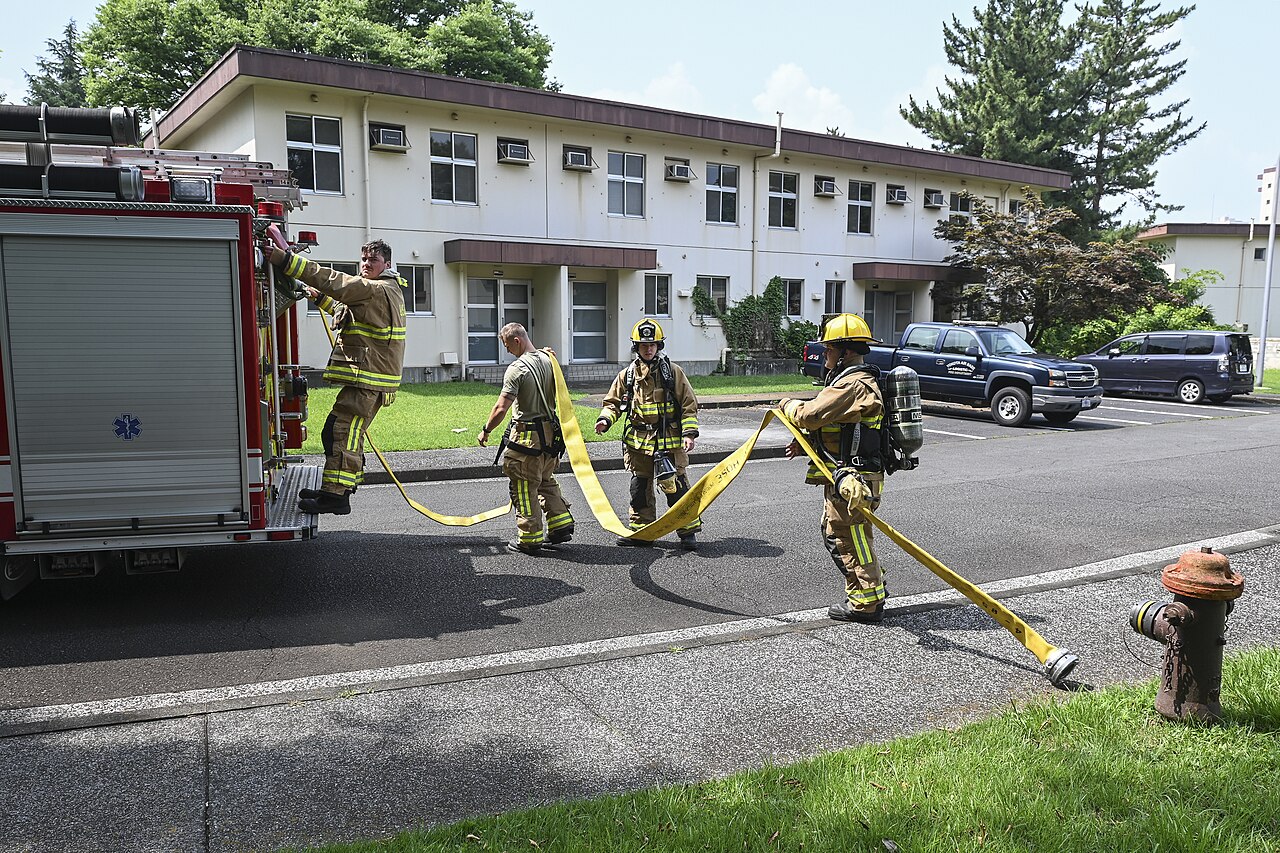
Modern turnout gear is built to keep fire and heat out. The trade-off is that it also keeps the firefighter’s own body heat in. The U.S. Fire Administration’s rehab guide explains that protective equipment “inhibits the transfer of heat between the firefighter and the external environment,” and that gear with moisture barriers limits sweat evaporation, which is one of the body’s main ways to cool down.
Now put that gear on a firefighter in West Volusia in July. Central Florida summers bring long stretches of heat and high humidity, and humid air makes it even harder for sweat to evaporate. CDC’s National Institute for Occupational Safety and Health lists high temperature and humidity, heavy physical work, and protective clothing among the risk factors for heat-related illness, a group of conditions that includes heat cramps, heat exhaustion, rhabdomyolysis and heat stroke. Heat stroke is a life-threatening emergency.
The strain is not only about heat. Firefighting puts enormous demands on the heart. According to the National Volunteer Fire Council’s 2026 fact sheet, which draws on NFPA data, 72 firefighters died in the line of duty in the United States in 2024, and stress or overexertion was the leading cause, accounting for 42 of those deaths. Rest, cooling, fluids and medical monitoring are exactly the tools designed to reduce that kind of risk.
The building blocks of good rehab
Every department writes its own procedures, but rehab areas are built around the same basic needs.
Hydration
Fluids should be available at all times, and water should always be offered. FEMA’s CERT guidance adds that after the first hour of firefighting, crews should be offered a sports drink with electrolytes to help replace what they have lost through sweat. Cool or iced drinks also help bring body temperature down.
Nourishment
Long incidents burn a lot of energy. Rehab guidance calls for appropriate food to be available and for firefighters to be encouraged to eat during extended operations. Simple, quick, easy-to-handle snacks matter here because crews may only have a few minutes before they go back to work.
Rest
Rest is the part people forget. CERT materials note that firefighters need to rest in the rehab area for at least 10 to 20 minutes, preferably sitting down. A shaded tent or an air-conditioned space makes that rest far more effective in summer.
Cooling
Rehab uses two kinds of cooling. Passive cooling means removing gear, sitting in the shade and drinking cool fluids. Active cooling uses outside help, such as misting fans, wet towels on the head and neck, ice vests, or submerging the hands and forearms in cool water. NFPA’s fact sheet lists hand and forearm immersion, misting fans and ice vests as examples of active cooling.
Medical monitoring
Under NFPA 1584, firefighters entering rehab have vital signs checked, including temperature, heart rate, breathing rate, blood pressure and pulse oximetry. The 2015 edition also added carbon monoxide monitoring for members who have been involved in firefighting. This part of rehab is always handled by trained EMS personnel from the fire department, not by support volunteers.
Where Support 33 fits in
The DeBary Volunteer Fire Support Team is not a fire department. Fire protection in DeBary is provided through the City’s contract with the Orange City Fire Department, which staffs Stations 33 and 39. Our role is to support those firefighters, and the most visible way we do that is Support 33.
Support 33 is a former Clay County ambulance that was donated to the association and placed in service in early 2022. It was converted into a rehab and support unit that can bring the basics of a rehab area to an incident: cases of water and sports drinks, snacks, ice, fans, tents for shade, generators, and an air-conditioned space where crews can cool down. The unit also carries clothing for residents who have been displaced by a fire. If you are curious how a unit like this works at an incident, our explainer on what a support unit does walks through it step by step.
| Rehab need | How Support 33 helps | How residents can help |
|---|---|---|
| Hydration | Bottled water and sports drinks, kept cold | Donate sealed cases of water or electrolyte drinks |
| Cooling | Ice, fans, shade tents, air-conditioned space | Support the fuel, ice and equipment budget |
| Nourishment | Individually wrapped snacks | Donate shelf-stable, individually wrapped snacks |
| Rest | A place to sit out of the sun | Volunteer to help set up and staff the unit |
| Medical monitoring | Handled by fire department EMS, not by volunteers | Give crews space to work |
A local example: the 2019 Dutchman’s Bend brush fire
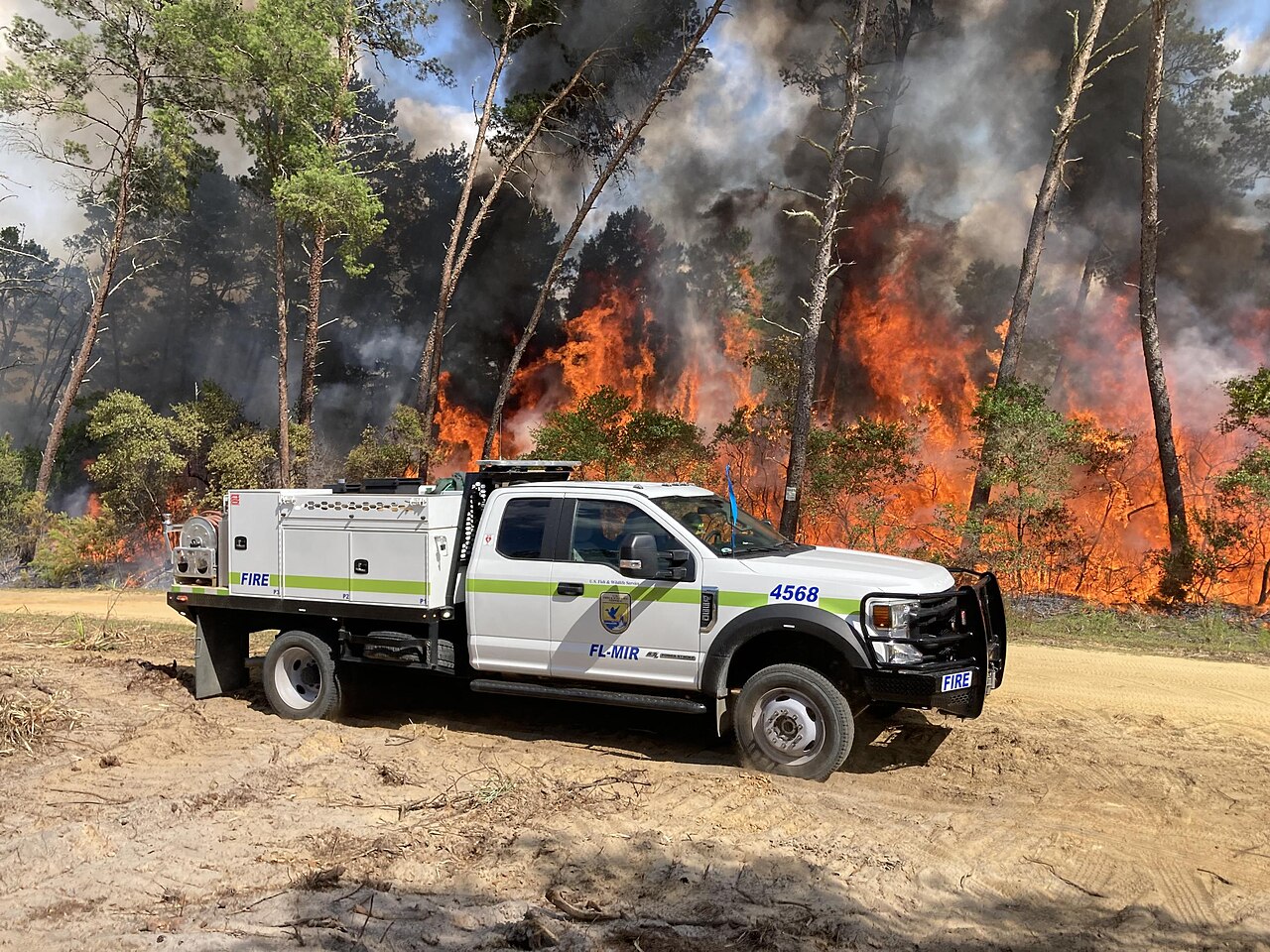
DeBary saw how much rehab matters in June 2019, when a lightning-sparked brush fire near Dutchman’s Bend Road burned for days. News 13 reported that the fire grew to more than 100 acres, threatened a Duke Energy power plant and damaged nearby railroad tracks, with the Florida Forest Service leading the response. During that multi-day fire, DeBary residents stepped up and donated water, food and ice for the crews. That kind of neighbor-to-neighbor support is exactly what keeps a rehab operation stocked when an incident drags on.
How DeBary residents can help
You do not need to be a firefighter to make a difference on the fireground. Here are the most useful ways to support rehab in our community.
Donate the right supplies
Please reach out before dropping anything off, so we can tell you what is needed and where to bring it. Email [email protected] or call 386-801-2469 (non-emergency). Items that are almost always useful:
- Sealed cases of bottled water
- Sports drinks or electrolyte drink mixes in sealed packaging
- Individually wrapped, shelf-stable snacks such as granola bars, crackers, trail mix and peanut butter crackers (labeled packaging helps crews with food allergies)
- Small coolers, reusable ice packs and cooling towels
- Gift cards from local stores to help buy ice and perishables quickly when a long incident starts
Support the unit financially
Keeping a rehab unit ready costs money: fuel, maintenance, insurance, ice, generator upkeep and restocking supplies after every call. Financial gifts through our support page, attending a pancake breakfast, or buying a 70th-anniversary challenge coin all help keep Support 33 stocked and on the road. Please remember that the association never fundraises door to door. If someone comes to your door claiming to collect for us, it is not us.
Volunteer
Support 33 runs on volunteers who help load supplies, set up shade and fans, hand out drinks, and keep the unit maintained between calls. No firefighting certification is required for support work. If you have a few hours a month to give, visit our volunteer page or ask us about joining a Wednesday drill night.
What not to do at an active scene
The urge to help is a wonderful thing, but good intentions can create problems at an emergency. Rehab works because it is organized and coordinated with the people in charge of the incident. FEMA’s CERT guidance makes the same point for its own trained volunteers, who never self-deploy and are mobilized by incident command.
- Do not drive to an active fire or emergency scene with supplies unless officials or the association have asked for them. Extra vehicles can block fire apparatus and roads.
- Stay well back and follow directions from firefighters and law enforcement.
- Pull over to the right and stop for emergency vehicles with lights and sirens.
- Call 911 if you see fire, smoke, or someone in distress. Never assume someone else has already called.
Beat the heat yourself
The same principles that protect firefighters also protect you while you are doing yard work, helping a neighbor after a storm, or volunteering at an outdoor event. Drink water before you are thirsty, take breaks in the shade, work during the cooler parts of the day, and watch for the warning signs of heat illness in yourself and others. If someone becomes confused, stops sweating, or collapses in the heat, call 911 right away and start cooling them while you wait.
Want to protect your own household from fire as well? Our interactive fire safety checklist is a quick place to start.
Frequently asked questions
What is firefighter rehab?
Rehab is the organized process of giving firefighters rest, rehydration, nourishment, cooling and medical evaluation during long or extreme incidents, so they can recover before fatigue or heat stress leads to injury.
Why is heat so dangerous for firefighters in Florida?
Turnout gear traps body heat and limits sweat evaporation, which is one of the main ways the body cools itself. Add Central Florida's summer heat and humidity, and a firefighter can overheat quickly even after a short period of hard work.
What does Support 33 do?
Support 33 is the DeBary Volunteer Fire Support Team's rehab unit, a donated former Clay County ambulance in service since early 2022. It carries water, sports drinks, snacks, ice, fans, tents, generators and shade so firefighters can recover on scene.
Can I drop off water or snacks for firefighters?
Yes, and it is appreciated, but please contact the association first at [email protected] or 386-801-2469 (non-emergency) so supplies go where they are needed. Please do not bring items to an active emergency scene unless officials ask for them.
Are donations to the DeBary Volunteer Fire Support Team tax-deductible?
No. The association is a 501(c)(4) social welfare organization, so contributions are not deductible as charitable contributions for federal income tax purposes.
Sources and further reading
- FEMA / Ready.gov CERT: Firefighter Rehabilitation
- U.S. Fire Administration: Emergency Incident Rehabilitation (FA-314)
- NFPA 1584 Fact Sheet: Rehabilitation Process for Members During Emergency Operations
- Firehouse: Important Updates to NFPA 1584
- CDC / NIOSH: Heat Stress and Workers
- National Volunteer Fire Council: Volunteer Fire Service Fact Sheet (2026)
- News 13: DeBary brush fire threatening power plant, railroad (June 2019)
Help keep Support 33 stocked with water, ice and snacks for the firefighters who protect DeBary. Support the team or become a volunteer today. Contributions or gifts to the DeBary Volunteer Firemen’s Association, Inc. are not deductible as charitable contributions for federal income tax purposes.